
Your makeup looks perfect when you leave the house, but by the afternoon your concealer is settling into fine lines and your T-zone has gone shiny. What does setting powder do? In plain terms, it sets creamy makeup in place. Setting powder is a finely milled cosmetic applied over foundation and concealer to absorb excess oil and prevent those layers from moving, creasing, or fading.
Think of just-blended foundation as a slightly damp film. It can slide, especially if your skin produces oil during the day. Setting powder adds a very light absorbent layer on top. When applied well, you shouldn’t see it at all—your makeup simply stays where you put it.
What setting powder won’t do
It’s not a shield for everything. Setting powder won’t make your makeup waterproof, and it won’t hold up to heavy sweat or tears. If you know you’ll be in humidity, look for a transfer-resistant foundation and use a good setting spray as the final step.
It also won’t fix a base that’s already sliding because your skincare hasn’t absorbed or your foundation is too emollient. And on dry skin or deeply lined under-eye areas, the wrong amount of powder can make textures more noticeable. If you see that, use less—or skip that area entirely.
Choosing a formula
You’ll meet two main choices in stores: loose or pressed, and translucent or tinted.
- Loose powders are finely milled and tend to blend into skin more naturally.
- Pressed powders come in a compact. They’re easier to carry and great for touch-ups.
- Translucent powders have no pigment, so they won’t change the color or coverage of your foundation.
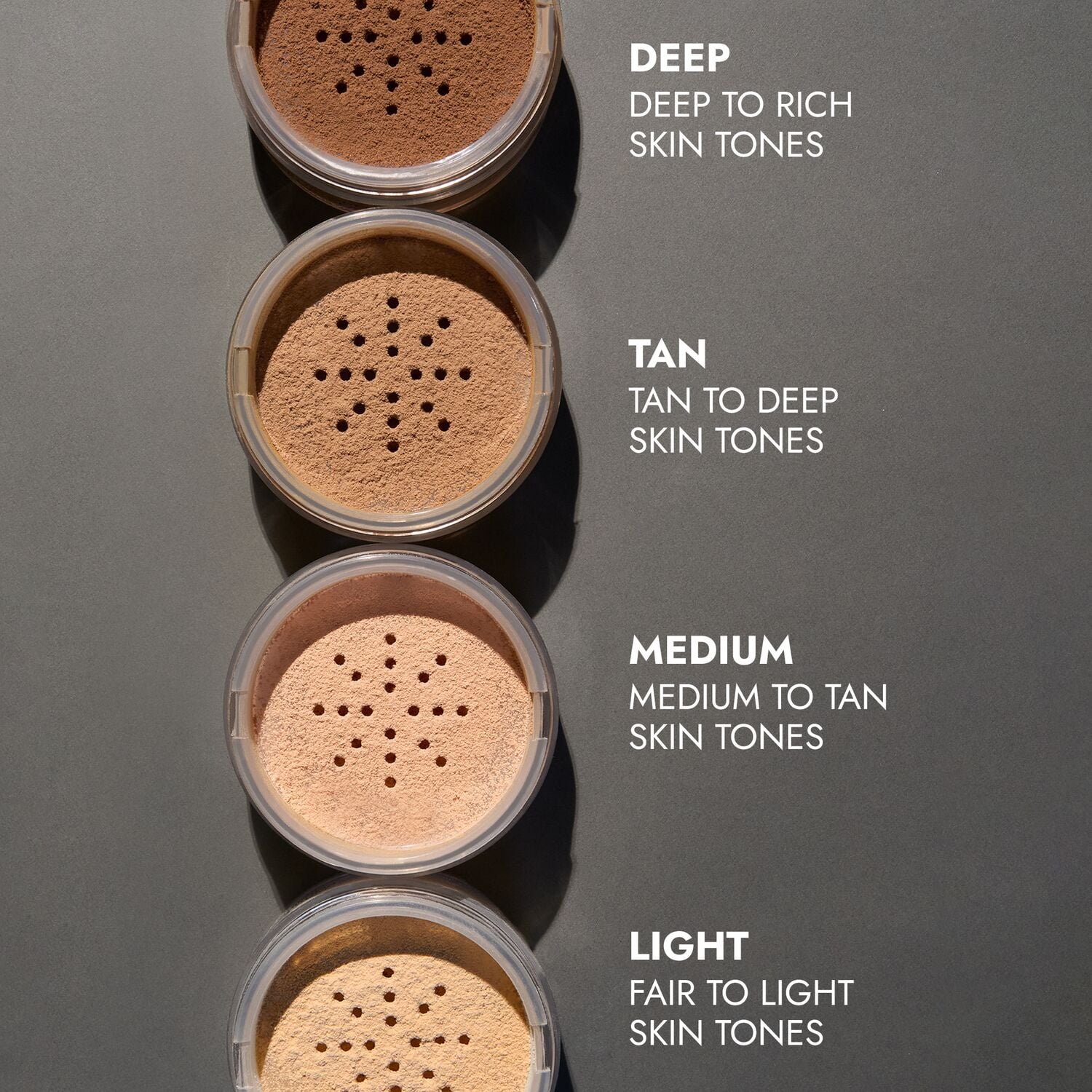
- Tinted powders match your skin tone and can add a little more coverage while they set.
How to use setting powder
You only need to set the areas that tend to crease or shine. For most people, that’s the under-eye area, edges of the nose, chin, and the middle of the forehead—not the whole face.
- Wait a minute or two after applying foundation and concealer so your makeup isn’t too damp.
- Dip a fluffy brush or damp sponge into a small amount of powder and tap off the excess.
- Press it gently into those spots. Use a pressing or rolling motion rather than sweeping, which can push your makeup around.
- Let it sit for one to two minutes, then dust away the rest with a clean fluffy brush.
💡 Note: The most common mistake is using too much powder. It should look invisible. If your face looks dry, cakey, or ashy, tap off more excess and use less next time. If you have dry skin, keep powder to your T-zone and skip all-over application.
Setting powder really does its job when you forget it’s there. Use a light hand, focus on the spots where makeup slips, and check your face in natural light before you leave. The goal isn’t a matte mask—it’s your makeup still looking fresh hours later.
Related Terms:
- maybelline setting powder
- setting powder for oily skin
- setting powder for black women
- setting powder translucent
- setting powder drugstore
- setting powder target