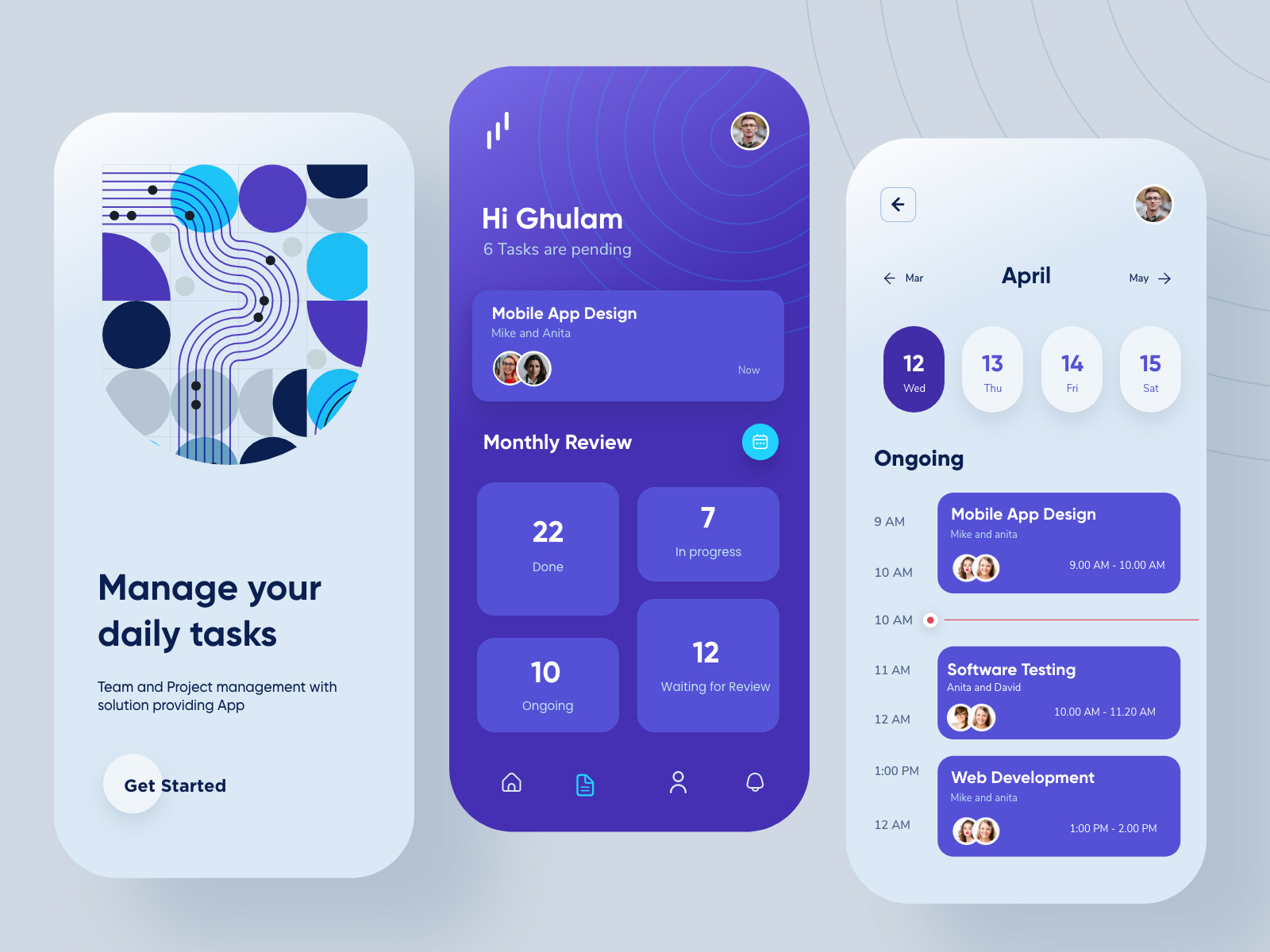

I used to spend hours building app screens from scratch, staring at a blank Figma canvas. It’s the worst part of the job. When I finally integrated a solid UI kit into my workflow, my output doubled. If you're stuck in the same rut, finding the right Top 40+ Design App Templates Set can completely shift how you approach product development. Instead of sweating over button states and padding, you get to focus on actual user experience.
Why a Top 40+ Design App Templates Set Changes Everything
Here's the thing about modern UI design: consistency beats novelty every time. In my experience reviewing app interfaces, the ones that perform best rely on established patterns. A well-crafted template bundle gives you those patterns out of the box. You aren't reinventing the wheel with every login screen. Instead, you're starting with a proven foundation to customize. This is crucial when working with tight deadlines or handing off assets to developers.
That said, not every template is a winner. Some packs look gorgeous but use undocumented fonts or broken layer structures. I've downloaded Figma files where auto-layout was completely missing, making them a nightmare to edit. You have to look for templates that respect standard design system principles—things like clear typography scales, logical naming conventions, and proper component architecture.
Evaluating the Top 40+ Design App Templates Set for Your Project
When I test these resources, I break them down by primary use case. A good mega-pack contains a mix of wireframes, high-fidelity UI kits, and coded boilerplates. Here’s how I categorize the essential components you should look for:
| Template Type | Best Used For | Expected Format |
|---|---|---|
| Wireframe Kits | Rapid prototyping | Figma, Sketch |
| UI Libraries | Visual design handoff | Figma, Adobe XD |
| Coded Templates | Frontend development | React Native, Flutter |
To get the most out of these packs, I always follow a specific evaluation workflow:
- Check architecture: Are variants set up correctly in the component properties?
- Review colors: Does it use semantic tokens instead of hardcoded hex values?
- Test responsiveness: Do screens adapt to tablet views without breaking?
⚠️ Note: Never use a template's default color scheme for your final product. Always map their colors to your own design tokens before customizing screens.
Ultimately, relying on a template set doesn’t make you a lazy designer; it makes you an efficient one. The real value lies in how quickly you can adapt these foundations to solve actual user problems. Pick a bundle that aligns with your technical constraints, strip away the fluff, and build something that works. Your users won’t care if you started with a template—they’ll only care if the app feels intuitive.
Related Terms:
- art&design app
- graphic design app
- design app for mac
- logo design app
- design room app
- design apps for your computer