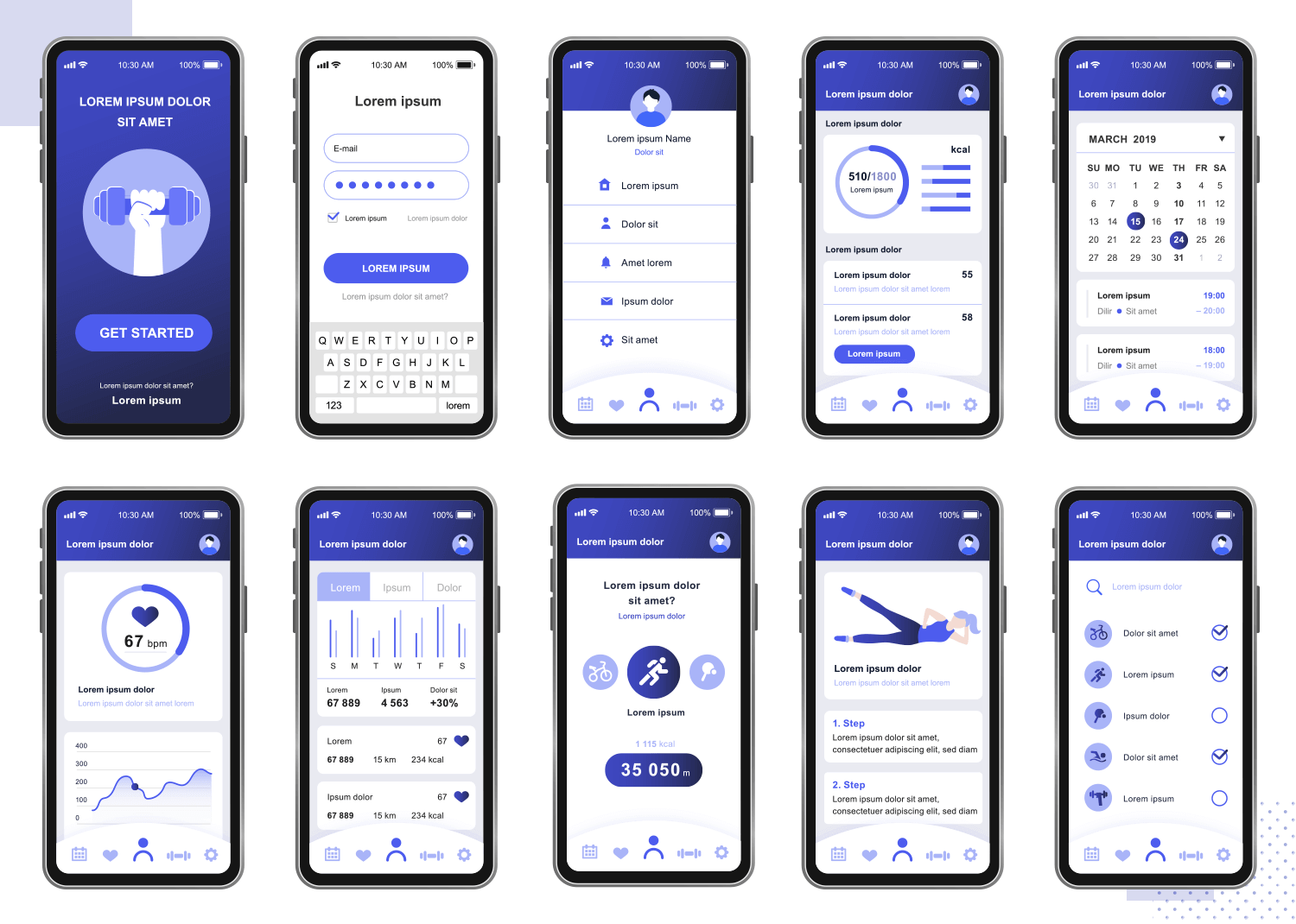

I used to spend weeks building UI from scratch for every client project. It drained my budget and pushed launch deadlines further than I care to admit. That's exactly why I shifted my workflow to rely on a solid foundation, specifically exploring the Top 16+ Mobile App Templates Pack market. Here's the thing: building an app from zero is a rookie mistake when high-quality starter codebases exist. These packs give you pre-built screens, navigation flows, and API integrations. You just plug in your data.
Why the Top 16+ Mobile App Templates Pack Approach Saves Dev Time
When I tested several of these template bundles last year, I noticed a massive shift in my delivery speed. Instead of wrestling with authentication flows or database configurations, I could focus on the actual business logic. A well-structured template pack provides a standardized architecture. This means state management, routing, and backend connections are already mapped out. That said, not all packs are created equal. Some offer beautiful UI but suffer from spaghetti code underneath.
Breaking Down the Top 16+ Mobile App Templates Pack Features
Understanding what you actually get inside these bundles is critical. Most premium packs will cover the most popular app categories, giving you a head start regardless of your niche. Here is a quick breakdown of what I typically look for when evaluating a bundle:
| Template Category | Key Included Features | Best Use Case |
|---|---|---|
| E-commerce | Cart, Stripe integration, Product grid | Retail apps needing fast checkout |
| Fitness Tracker | Charts, health kit sync, video player | Health apps with progress metrics |
| Social Feed | Real-time chat, push notifications | Community-driven networks |
If you decide to integrate one of these codebases from a Top 16+ Mobile App Templates Pack, you need a systematic approach. I typically follow a few strict rules to ensure I don't end up with technical debt:
- Audit the code structure: Check if the code follows MVC or MVVM standards before installing.
- Verify cross-platform compatibility: Ensure the UI renders properly on both iOS and Android.
- Strip unused components: Remove bloated features you don't need to keep the binary size small.
Common Pitfalls When Using UI Kits
Honestly, the biggest trap developers fall into is assuming a template is production-ready out of the box. It rarely is. You will still need to refactor data models to match your backend. Furthermore, some template authors use outdated libraries, which creates security vulnerabilities. Always run an updated dependency check before writing any custom code. This is where it gets interesting, because updating a deprecated package inside a complex template can break unrelated UI components.
🛠️ Note: Always check the license agreement for your template pack. Many commercial packs restrict your ability to resell the source code as a standalone product.
Investing in a premium template bundle is a strategic move, not a shortcut. It shifts your focus from repetitive UI coding to solving actual user problems. Just remember to treat the template as a starting point, not a final destination. Test the code, refactor where necessary, and make it your own. Your users will never care if you built the login screen from scratch, but they will absolutely notice if the app launches smoothly and on time.
Related Terms:
- mobile app design templates free
- android mobile app design template
- best selling mobile app templates
- mobile app design software free
- android app ui template
- best mobile app templates