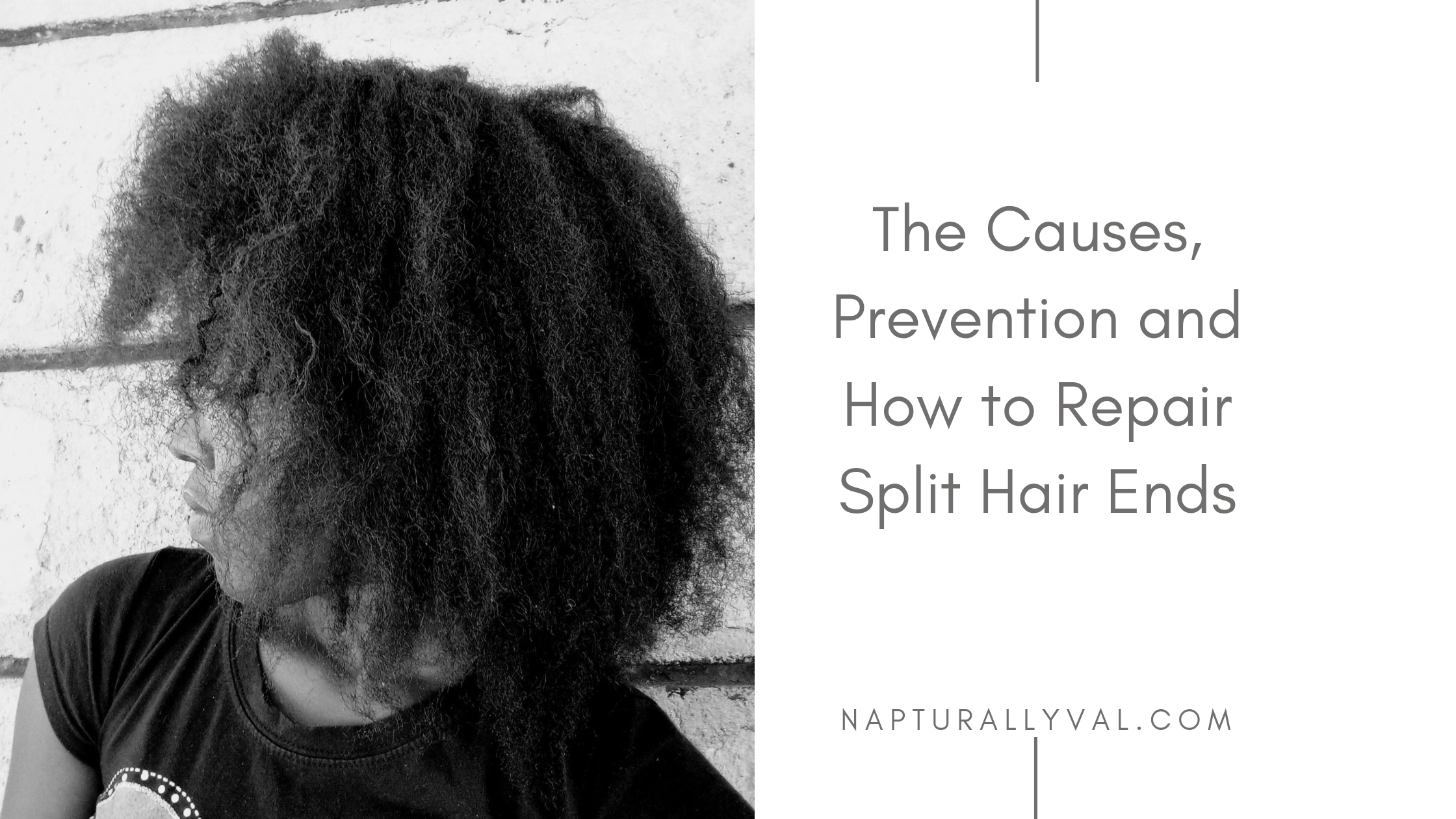

You catch a glimpse of your hair in the elevator mirror and there it is: a pale, split fiber sticking out near the ends. One ripped strand leads to frayed flyaways and excessive breakage over time. The good news about how to avoid split ends is that the process doesn't require pricey serums or salon visits. It mostly comes down to treating your hair with a little more patience.
A split end happens when the protective outer cuticle wears away, leaving the inner cortex exposed to whatever comes next—brushing, heat, and even your pillowcase. The only true fix is a trim. The rest is prevention, and it’s simpler than you think.
Start with a gentler washday routine
- Shampoo just your scalp. Suds up at the roots, where oil builds up, and let the rinse water carry the cleanser down your lengths. Scrub only with your fingertips, nails digging into the scalp only breaks fragile ends later.
- Condition from the middle down. Squeeze a quarter-sized amount and work it into the lengths and ends, not the roots. Leave it for two to three minutes before thoroughly rinsing with cool water to help flatten the cuticle.
- Detangle while hair is wet and slippery. Apply a leave-in conditioner or detangling spray, then starting near the bottom, gently loosen knots with a wide-tooth comb. Never yank through from top to bottom.
- Dry with a soft cotton T-shirt or microfiber towel. Regular bath towels have coarse loops that snag and rough up the cuticle. Wrap wet hair loosely; press and squeeze out moisture instead of rubbing. Rubbing twists strands, and twisted strands are more likely to split.
Reconsider heat and styling habits
Beyond washing, everyday styling is where most split ends quietly happen. Flat irons and curling wands are fine in moderation, but the combination of high heat and insufficient protection is a direct path to frayed tips.
- Set your styling tools to 350°F for fine hair or 400°F for thicker, coarser hair. Anything hotter cooks moisture out of the strand. Always spray on a heat protectant evenly, and reapply it to new growth as you section your hair.
- Limit tight elastics. A snug ponytail pulled from the same spot every day stresses the same area until it splits. Alternate the height, and use a spiral or fabric-covered tie instead of a bare rubber band.
- Protect the ends overnight. Braid your hair loosely or twist it into a low bun before bed so friction doesn’t chew on the tips. Sleeping on a silk or satin pillowcase also smooths the cuticle and cuts down on morning tangles.
- Book a trim every eight to twelve weeks. Even a tiny snip of a quarter inch removes weak, worn ends before they travel further up the strand.
✂️ Note: A “split end repair” shampoo won’t fuse the fiber back together. It can temporarily smooth the look, but the only permanent cure is cutting the damaged portion off.
You won’t erase existing splits between salon visits, and that’s okay. Let this routine be a gentle reset: wash slower, detangle lower, and reach for your brush with intention. A few small changes will keep your ends calmer, smoother, and far less eager to split.
Related Terms:
- how to prevent split ends
- ways to prevent split ends
- how to minimize split ends
- how to fix dead ends
- can split ends be repaired
- how to prevent spilt ends