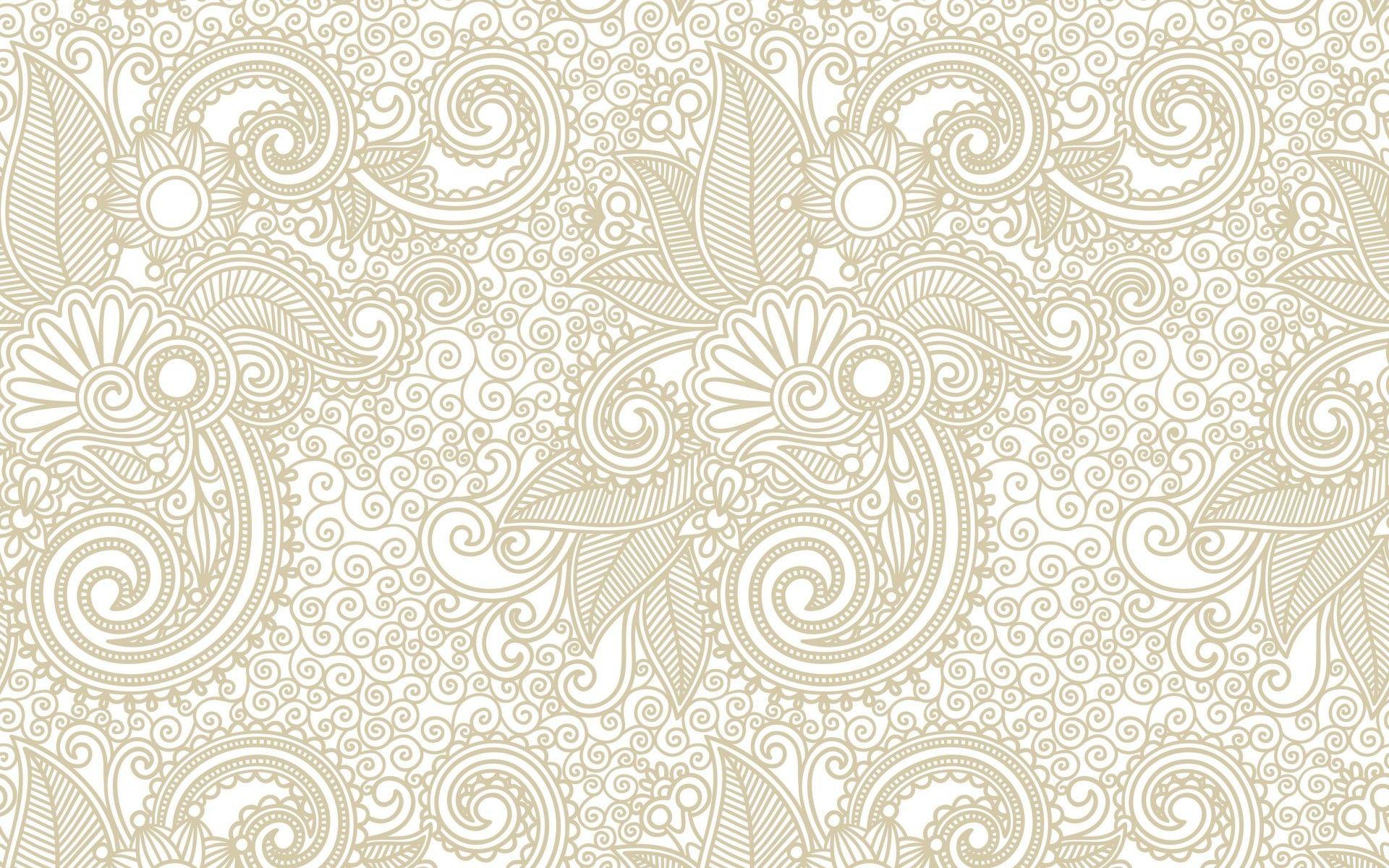

When I review portfolios or landing pages, the first thing that usually screams "amateur hour" is a flat, lifeless background. I've spent hours tweaking CSS gradients only to find they look entirely different on a 4K monitor versus a standard laptop screen. Here's the thing: subtle textures solve this problem instantly. Recently, I integrated the Best 44+ Premium Background Patterns Pack into my design workflow to see if it could replace my custom Adobe Illustrator pattern swatches. The results were surprisingly effective, though there are a few things you need to know before adopting them.
Why Use the Best 44+ Premium Background Patterns Pack?
In my experience, vector-based textures outperform raster images almost every time. Raster backgrounds become pixelated when scaled up for print or large displays, which ruins the visual hierarchy of your UI. The core advantage of a high-quality pattern pack is scalability. You can apply a subtle geometric overlay to a hero section, and it retains its crisp edges regardless of the viewport size.
That said, not all patterns are created equal. I’ve tested bundles where the color palettes clashed horribly or the repeating seams were visible from a mile away. This specific collection stands out because the seams are practically invisible when tiled horizontally. It saves me at least twenty minutes of manual tweaking per project.
| Pattern Style | Best Use Case | File Format |
|---|---|---|
| Geometric Minimalist | SaaS landing page backgrounds | SVG / AI |
| Halftone Grunge | Print posters and apparel | EPS / PNG |
| Organic Fluid Shapes | App onboarding screens | SVG / Figma |
How to Implement the Best 44+ Premium Background Patterns Pack in UI Design
Adding these textures to your projects requires more than just dropping an SVG into the DOM. If you want them to look professional, you need to control the opacity and blend modes. When I tested this bundle on a dark-mode interface, I found that setting the pattern layer to “Overlay” or “Soft Light” at 15% opacity provided the perfect level of depth without causing eye strain.
Here’s a quick workflow I recommend for integrating these assets:
- Isolate the SVG path: Open the source file and copy only the pattern definition into your project’s SVG sprite.
- Apply via CSS: Use the background-image property with background-size set to a fixed pixel dimension to maintain the pattern scale.
- Tune the color: Change the pattern fill color to match your base background hue, just a few shades lighter or darker.
💡 Note: Never set your pattern opacity higher than 20% in web interfaces. High-contrast textures severely reduce text readability and fail WCAG accessibility standards.
Limitations to Consider
Honestly, while this bundle is incredibly comprehensive, it won’t replace custom illustrations if you need highly specific brand motifs. I tried using the fluid shapes collection for a healthcare client, and the shapes felt a bit too abstract for their conservative brand guidelines. These patterns work best as foundational layers, not as focal points. If your design relies heavily on a central hero image, a bold background texture will only compete for the user’s attention.
Finding the right balance between visual interest and functional design is always a tightrope walk. Having a reliable library of scalable textures eliminates the need to build complex graphics from scratch every time you start a project. By keeping the opacity low and matching your brand palette, you can add that elusive layer of polish that makes a digital product feel finished. Take the time to experiment with blend modes on your next build, and you’ll quickly see how a simple repeating shape can transform the entire feel of your layout.
Related Terms:
- free web background patterns
- background patterns png
- background patterns textures
- simple background patterns
- black and white background patterns
- cool background patterns