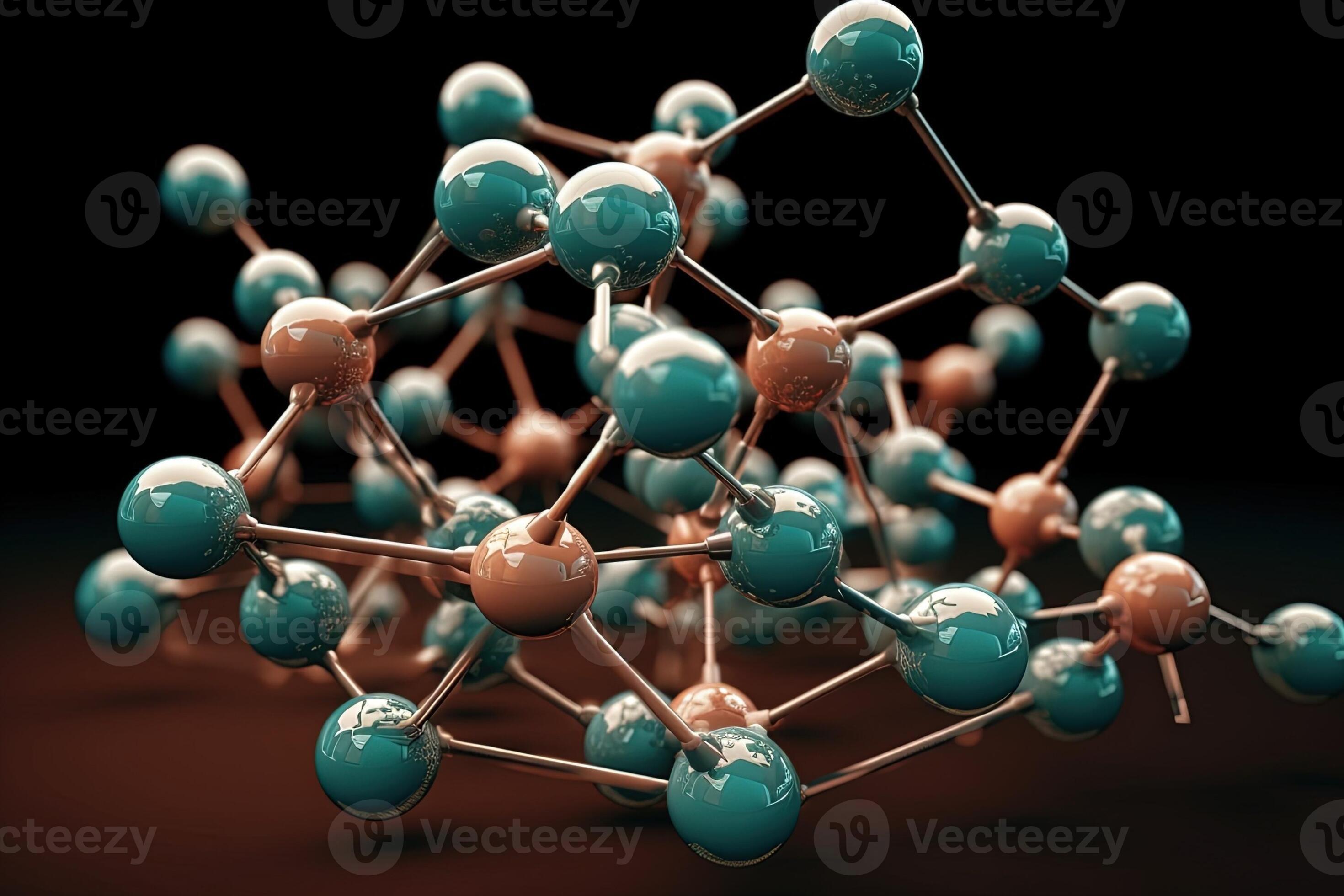

I recently had to design a pitch deck for a biotech startup, and finding the right visual tone was a nightmare. Most science backgrounds look like they were ripped from a 2005 textbook. I needed something clean, scalable, and professional. After digging through dozens of resource libraries, I realized that having access to a 35+ Free Molecules Structure Concept Background Vector collection is an absolute lifesaver for these projects. It completely changes how you approach scientific visual design.
Why a 35+ Free Molecules Structure Concept Background Vector Library Matters
Here's the thing: designing scientific graphics from scratch is tedious. When I tested several of these free vector packs, the biggest advantage wasn't just the cost savings—it was the time I saved on drafting hexagonal lattices and chemical bond lines in Adobe Illustrator. You can instantly drop a fully layered molecule structure into your composition, scale it infinitely without pixelation, and move on to your typography. That said, not all vector files are created equal.
Evaluating File Types for Chemistry Backgrounds
In my experience, the format dictates how easily you can isolate elements. SVG files are fantastic for web-based interactive presentations, while EPS files offer better compatibility if you need to edit nodes in older software. I usually prefer AI or EPS formats because I can quickly ungroup the structure, pull out individual atoms, and recolor them to match my client's brand guidelines. If you're just dropping the file straight into PowerPoint, an SVG will keep your file size minimal.
| Vector Format | Best Use Case | Editing Flexibility |
|---|---|---|
| SVG | Web layouts, Keynote, PowerPoint | Easy color changes via CSS or basic editors |
| EPS | Print materials, large banners | Requires Illustrator or similar vector software |
| AI | Deep customization, brand alignment | Full layer isolation and node editing |
This is where it gets interesting. You can't just slap these backgrounds behind any text and call it a day. I always recommend tweaking the visual hierarchy before finalizing your slides.
- Drop the background opacity to 10-15% so your foreground text remains highly readable.
- Apply a monochromatic color scheme to the vectors to avoid visual clutter.
- Mask the edges of the background so the molecular structures fade naturally into the slide margins.
Honestly, many free background vectors prioritize aesthetics over scientific accuracy. They often feature random hexagons connected by lines that look like chemical bonds but don't actually represent real molecules. For a marketing pitch, this is perfectly fine. But if you are presenting to a room full of PhD chemists, they will notice if your "molecule" defies basic valency rules.
⚠️ Note: Always check the structural validity of the molecules if your audience has a chemistry background. Inaccurate bond angles or impossible structures can severely damage your credibility.
Finding the right scientific background shouldn’t be a bottleneck in your design process. Having a massive library of molecular structures ready to deploy means you can spend your energy perfecting the message rather than drawing hexagons. Test a few formats to see which integrates best with your current workflow, and always keep readability at the forefront of your layout choices.
Related Terms:
- structural concepts
- molecule clipart background
- molecule vector background
- molecule background