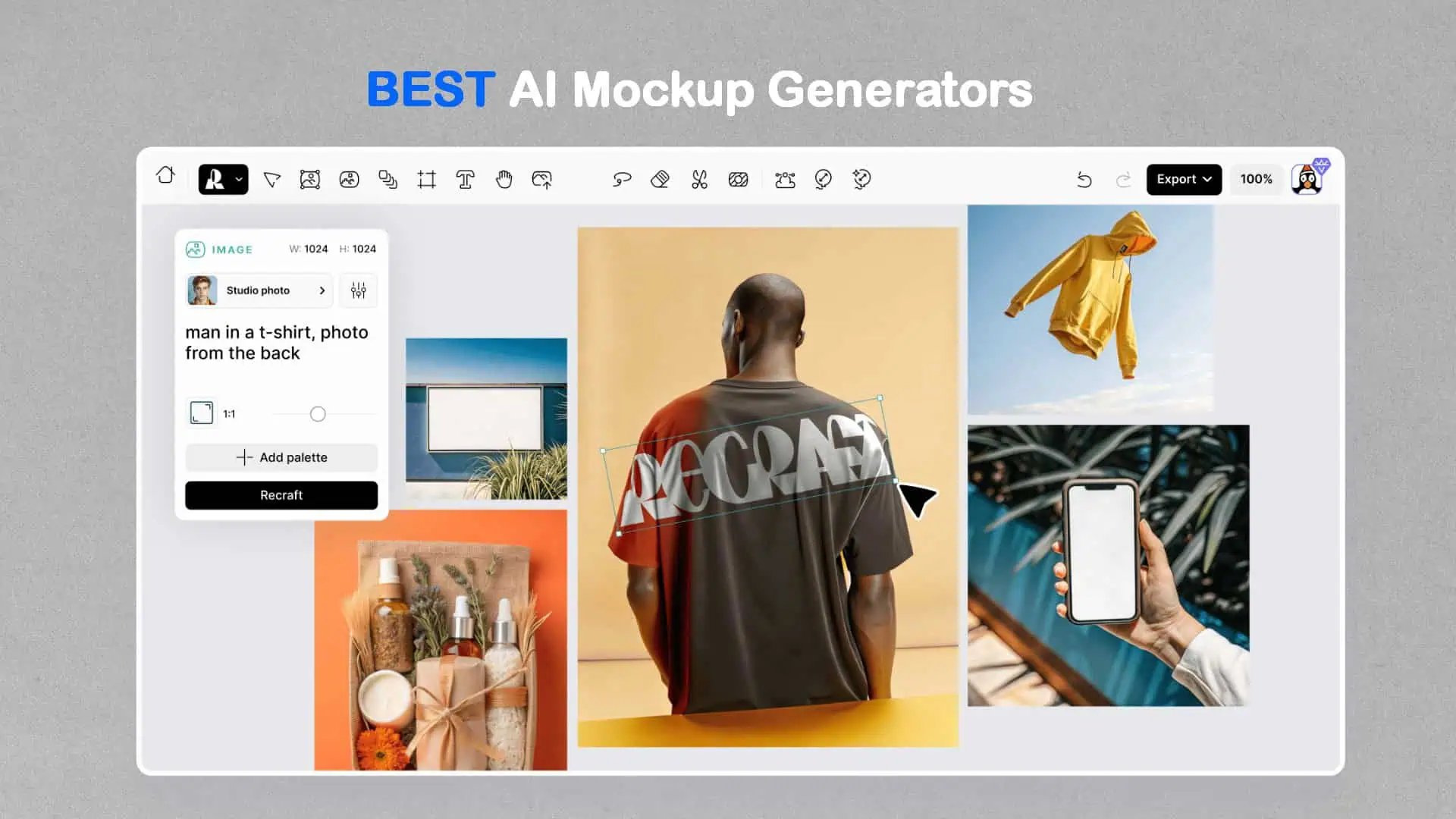

Creating product visuals used to mean spending hours in Photoshop, tweaking smart layers and hoping the lighting didn't look entirely flat. I've spent entire afternoons on a single beverage can rendering, only to have the client request a background change. Recently, I started integrating generative design tools into my staging workflow to cut down on that friction. After testing different platforms and compiling a list of 23+ Ai Mockups generators, I realized how drastically this tech shifts the production timeline.
The Shift from Traditional to AI-Generated Visuals
Here’s the thing about traditional mockup packs: they are incredibly rigid. You are constrained to the exact angles, shadows, and environments the original photographer provided. When I needed a skincare bottle resting on volcanic rock at sunset, stock libraries offered nothing relevant. AI mockup generators bridge that gap by allowing text-to-image inputs that render custom backgrounds and lighting setups. That said, they aren’t perfect for every single use case. The technology still struggles with complex typography on warped surfaces, so I rarely use it for final label approvals.
Comparing Standard Stock vs. 23+ Ai Mockups Tools
When I ran a side-by-side comparison for a recent apparel campaign, the differences were immediately obvious. Standard PSDs gave me precise control over fabric textures, while AI tools excelled at generating environmental context. I tracked the metrics to see where each method performed best.
| Feature | Standard PSD Mockups | AI Mockup Generators |
|---|---|---|
| Turnaround Time | 30-60 minutes per scene | 2-5 minutes per render |
| Customization | Locked to provided assets | Unlimited prompt variations |
| Resolution Limits | Depends on photographer | Typically capped at 2048x2048 |
| Best Use Case | Final print approvals | Conceptualization and mood boarding |
Getting the Most Out of 23+ Ai Mockups
This is where it gets interesting. Getting usable results requires more than typing “put my logo on a coffee cup.” In my experience, separating the background generation from the product staging yields better results. Here are a few practical steps I take to ensure quality:
- Prep the product cutout: Always use a high-resolution PNG with a transparent background. Edge artifacts ruin the realism of generative blending.
- Use precise lighting prompts: Specify conditions like “soft studio box lighting” or “harsh directional afternoon sun” rather than leaving it up to the engine.
- Batch generate: I usually run four to eight variations simultaneously because the first output rarely hits the exact shadow angle I need.
💡 Note: AI generators frequently upscale images by guessing pixel data. Always check the final render at 200% zoom to ensure the product edges aren't bleeding into the background before sending it to a client.
Integrating AI into your staging process doesn’t mean abandoning traditional design principles. It simply gives you a faster way to test concepts and present environmental ideas before committing to a full studio shoot. Start using these tools for your initial mood boards, keep an eye on those edge artifacts, and you’ll cut your visualization time in half while keeping your clients impressed.
Related Terms:
- free ai mockup generator
- artificial intelligence mockup
- 23 Ai Mockups free download
- 23 Ai Mockups generator
- 23 Ai Mockups download
- 23 Ai Mockups software