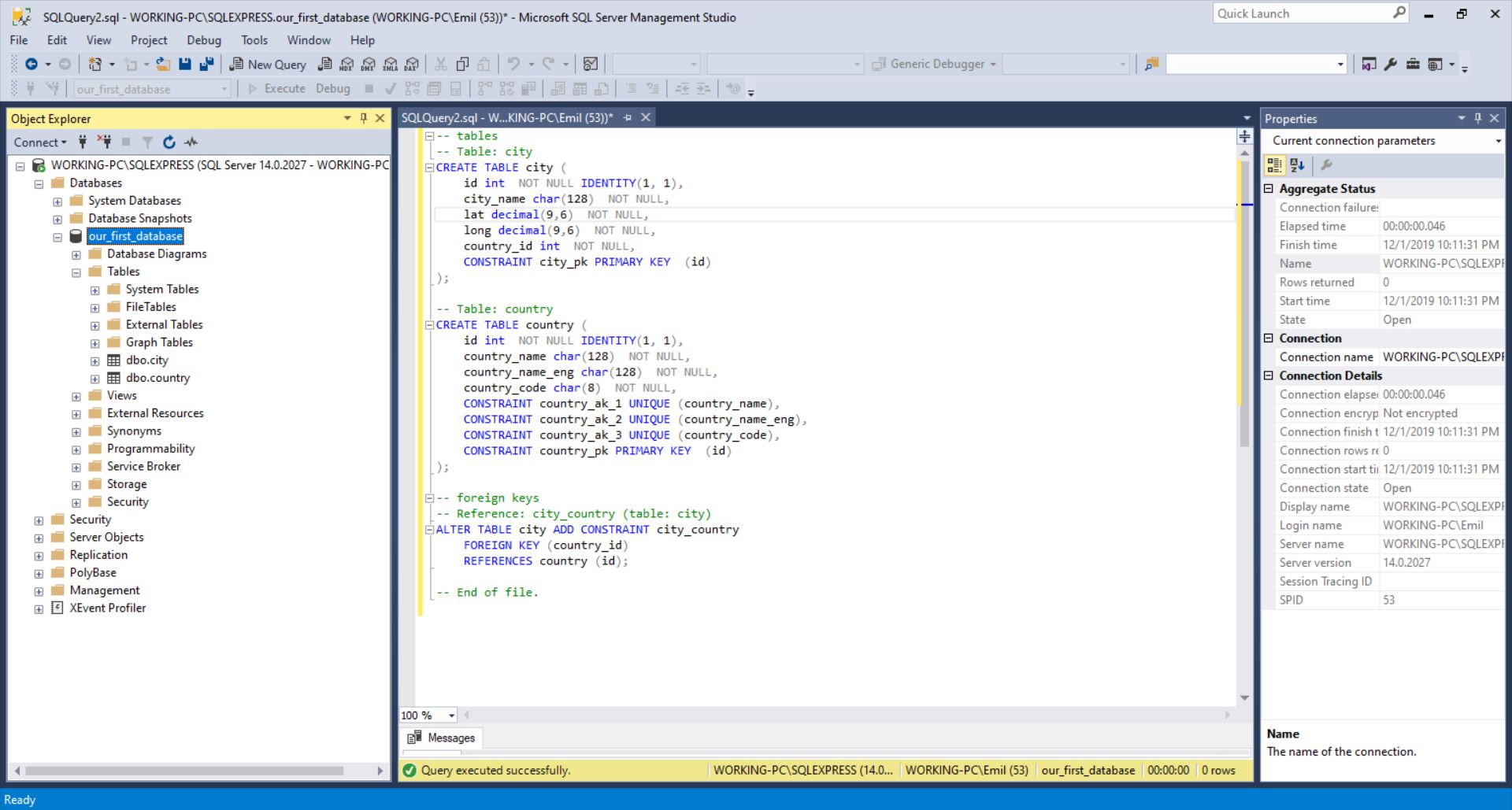

If you've ever needed to duplicate a table structure in SQL Server, you know how tedious it can be to manually recreate columns, data types, and constraints. That's where the technique to create table by select SQL Server comes in handy. I first discovered this method while working on a database migration project, where I needed to replicate dozens of tables without copying the data. It saved me hours of work and reduced the risk of errors. Essentially, this method allows you to generate a new table based on the schema of an existing one, optionally including data if needed. Let’s dive into how it works and when to use it.
Understanding the Basics of Create Table By Select in SQL Server
The create table by select SQL Server technique leverages the SELECT INTO statement or the CTAS (Create Table As Select) approach. Both methods create a new table with columns matching the structure of the source table. The key difference lies in how they handle constraints, indexes, and data insertion. For instance, SELECT INTO doesn’t copy constraints like primary keys or foreign keys, while CTAS preserves some but not all. In my experience, CTAS is more versatile for schema replication, but it requires SQL Server 2016 or later.
Step-by-Step Guide to Create Table By Select SQL Server
Here’s how to implement this technique effectively:
- Using SELECT INTO:
This method is straightforward but limited. Here’s an example:
SELECT * INTO NewTable FROM SourceTable;This creates
NewTablewith the same columns asSourceTableand inserts all data. However, it doesn’t copy constraints or indexes. - Using CTAS (Create Table As Select):
For more control, use CTAS. It preserves some constraints and allows filtering data:
CREATE TABLE NewTable AS SELECT * FROM SourceTable WHERE Condition;This method is ideal when you want to replicate the schema but exclude certain rows.
- Manually Defining Constraints:
If you need specific constraints, combine
CTASwithALTER TABLEstatements afterward. For example:CREATE TABLE NewTable AS SELECT Column1, Column2 FROM SourceTable;
ALTER TABLE NewTable ADD PRIMARY KEY (Column1);
When to Use Create Table By Select SQL Server
This technique shines in several scenarios:
- Database Migration: When moving data between systems, replicating table structures without data can simplify testing.
- Staging Tables: Creating temporary tables for data transformation or reporting purposes.
- Backup Schemas: Archiving table structures before making significant changes.
Common Pitfalls and How to Avoid Them
While create table by select SQL Server is powerful, it’s not without pitfalls. Here’s what to watch out for:
- Missing Constraints: Neither method copies all constraints automatically. Always verify and recreate them manually if needed.
- Performance Impact: Large tables can slow down operations. Use
CTASwith filtering to minimize data transfer. - Permissions Issues: Ensure you have the necessary permissions to create tables and select data from the source.
💡 Note: Always test the new table’s structure and constraints after creation to avoid data integrity issues.
Comparing SELECT INTO vs. CTAS
Here’s a quick comparison to help you choose the right method:
| Feature | SELECT INTO | CTAS |
|---|---|---|
| Copies Data | Yes | Yes (optional) |
| Preserves Constraints | No | Some (e.g., primary keys, unique constraints) |
| Supports Filtering | No | Yes |
| SQL Server Version | All versions | 2016 and later |
Honestly, the choice between `SELECT INTO` and `CTAS` depends on your specific needs. If you’re working with older SQL Server versions or need a quick solution, `SELECT INTO` works fine. For more advanced scenarios, `CTAS` is the way to go.
Mastering the create table by select SQL Server technique has been a game-changer in my workflow. It’s not just about saving time—it’s about maintaining accuracy and consistency in database operations. Whether you’re migrating data, creating staging tables, or archiving schemas, this method is a must-have in your SQL toolkit. Just remember to handle constraints manually and test thoroughly to avoid surprises.
Related Terms:
- from sql
- insert select sql
- select sql join
- select sql where
- select sql server
- select mysql